Kitchen Ant Infestation Causes and How to Prevent Them
- Bright Nest Pest
- Mar 30
- 4 min read

Ants are tiny but mighty invaders that can quickly turn your kitchen into their playground. If you’ve ever spotted a trail of ants marching across your countertops or found them swarming near your pantry, you know how frustrating it can be. Understanding the kitchen ant infestation causes is the first step to keeping these uninvited guests at bay. This guide will walk you through practical tips and effective strategies to prevent ants from making your kitchen their home.
Understanding Kitchen Ant Infestation Causes
Ants are attracted to kitchens because they offer food, water, and shelter - everything they need to thrive. But what exactly draws them in? Here are some common causes:
Food crumbs and spills: Even tiny bits of food left on counters, floors, or in sinks can attract ants.
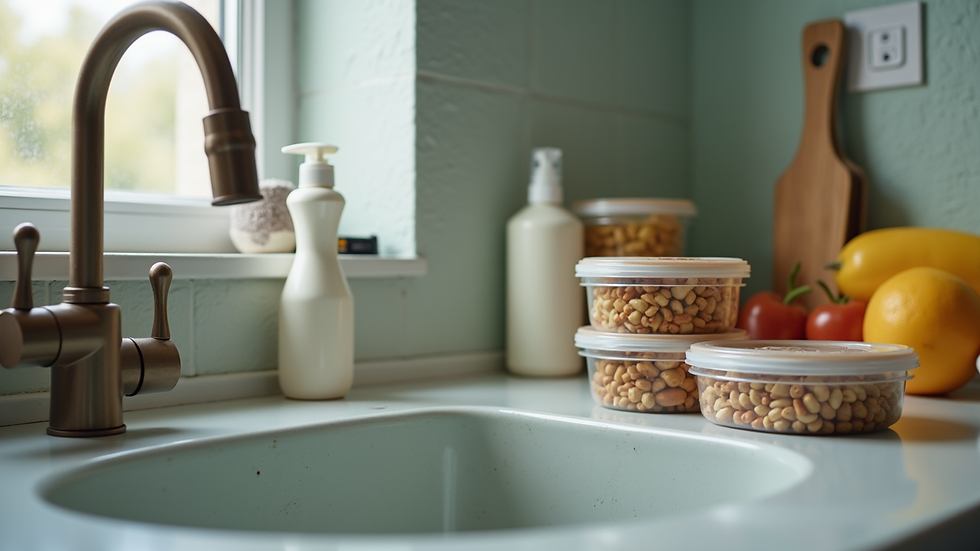
Unsealed food containers: Open or poorly sealed packages provide easy access to snacks.
Moisture and water sources: Leaky pipes, damp sinks, or standing water create a perfect environment for ants.
Clutter and hiding spots: Piles of paper, cardboard, or other clutter near food storage areas give ants places to nest.
Entry points: Cracks in walls, gaps around windows and doors, and holes in screens allow ants to enter your kitchen.
By identifying these causes, you can take targeted action to reduce the chances of an infestation.

How to Keep Your Kitchen Ant-Free: Practical Tips
Prevention is always better than cure. Here’s how you can make your kitchen less inviting to ants:
Clean regularly and thoroughly
Wipe down counters, sweep floors, and clean up spills immediately. Don’t forget to clean under appliances and inside cabinets where crumbs can hide.
Store food properly
Use airtight containers for snacks, cereals, and pet food. Avoid leaving fruit or sugary items exposed.
Fix leaks and reduce moisture
Check under sinks and around appliances for leaks. Use a dehumidifier if your kitchen tends to be damp.
Seal entry points
Inspect your kitchen for cracks and gaps. Use caulk or weather stripping to close off these access routes.
Declutter your kitchen
Keep countertops and pantry shelves tidy. Remove cardboard boxes and paper bags that ants love to nest in.
Use natural deterrents
Sprinkle cinnamon, coffee grounds, or vinegar near entry points. These smells can discourage ants from coming inside.
By following these steps, you create a hostile environment for ants, making it harder for them to settle in.
What is the fastest way to get rid of ants in the kitchen?
When ants have already invaded, speed is essential. Here’s how to act quickly:
Identify the ant trail and nest
Follow the line of ants to find where they are coming from. This helps target your efforts.
Clean the trail with vinegar or soapy water
Wiping away the scent trail disrupts their communication and can stop more ants from following.
Use bait traps
Place ant baits near the trail. Ants carry the poison back to their colony, eliminating the source.
Apply natural repellents
Essential oils like peppermint or tea tree oil can repel ants when sprayed around entry points.
Call in professional help if needed
If the infestation is severe, pest control experts can provide safe and effective treatments tailored to your kitchen.
Acting fast and smart can save you from a prolonged battle with ants.
Why Regular Maintenance Matters for Ant Prevention
Keeping ants out is not a one-time job. Regular maintenance is key to long-term success. Here’s why:
Prevents new infestations
Ants are persistent. Regular cleaning and inspections stop them before they settle.
Protects your food and health
Ants can contaminate food and surfaces, posing health risks.
Saves money and stress
Avoid costly pest control treatments and the hassle of dealing with infestations.
Make it a habit to check your kitchen weekly for signs of ants and address any issues immediately. This proactive approach keeps your kitchen fresh and pest-free.
When to Seek Professional Pest Control Services
Sometimes, despite your best efforts, ants find a way in. That’s when professional help can make a difference. Consider calling experts if:
You notice large numbers of ants or multiple trails.
DIY methods don’t reduce the problem.
You find nests inside walls or hard-to-reach places.
You want a safe, environmentally friendly solution tailored to your home.
Professional pest controllers have the tools and knowledge to handle infestations effectively. They can also advise on ongoing prevention strategies to keep your kitchen ant-free.
For those dealing with an ant infestation in kitchen, expert assistance ensures peace of mind and a clean, comfortable space.
Keep Your Kitchen a Bright Nest
Your kitchen should be a place of comfort and nourishment, not a battleground against ants. By understanding the kitchen ant infestation causes and taking proactive steps, you can protect your home from these tiny invaders. Remember, cleanliness, proper storage, moisture control, and sealing entry points are your best defenses.
If you ever find yourself overwhelmed, don’t hesitate to reach out to professionals who care about your home’s health and hygiene. With the right approach, your kitchen can stay bright, fresh, and ant-free all year round.

Comments